

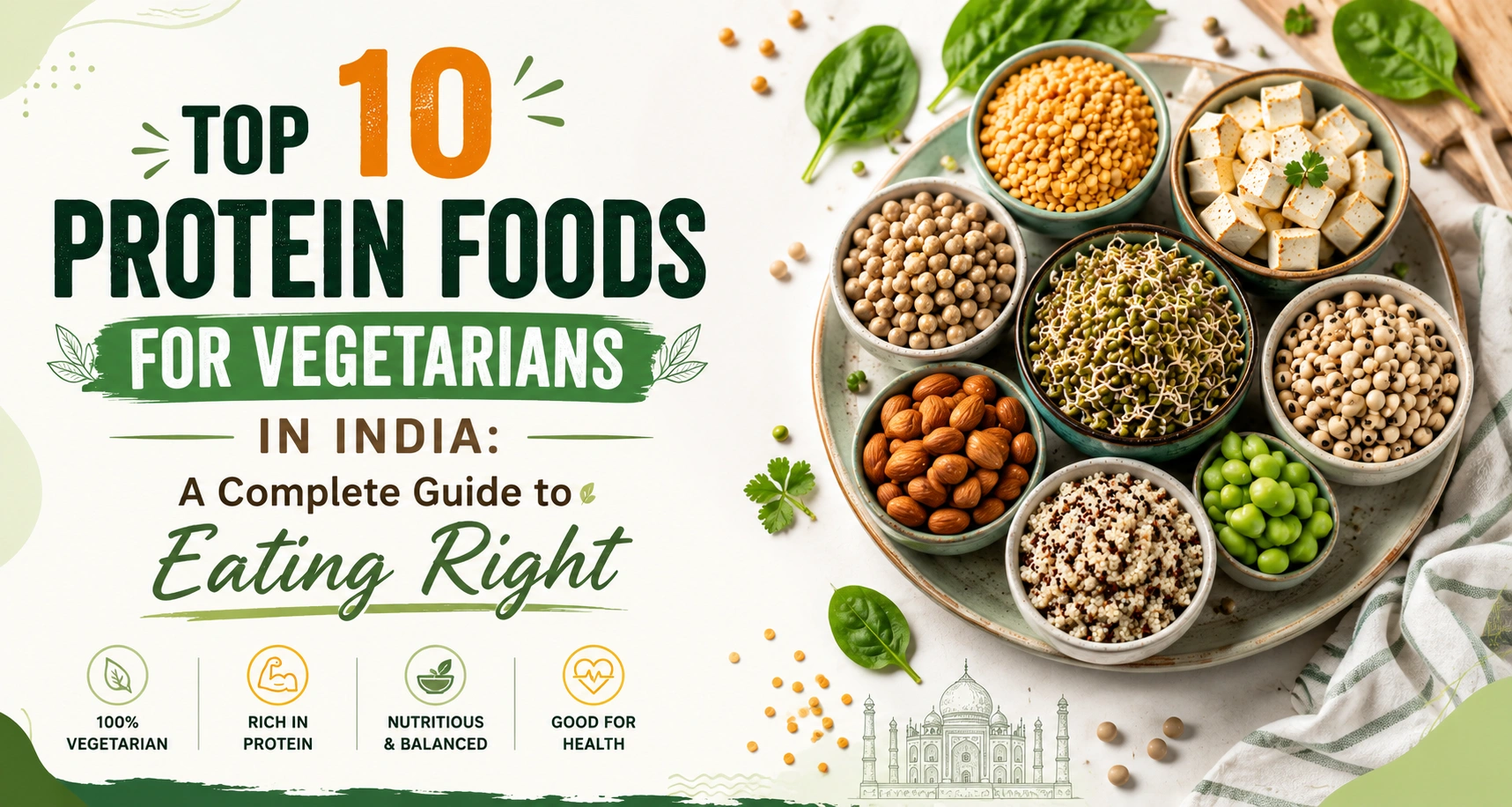
Ask any Protein Foods for Vegetarians India where their protein comes from, and you’ll probably get a shrug and an awkward laugh. It’s one of the most common questions vegetarians face, especially from friends and family who eat meat. But here’s the truth: India has one of the richest and most diverse vegetarian food cultures in the world, and it is packed with excellent protein foods for vegetarians. You just need to know where to look.
Whether you’re a lifelong vegetarian, someone trying to build muscle, or just curious about eating healthier, this guide walks you through the best vegetarian protein sources India has to offer, how much of them you actually need, and how to build a high protein vegetarian diet that fits your everyday kitchen.
Why Protein Matters So Much
Protein isn’t for muscle building only. It improves tissue repair, increases muscle growth, strengthens the immune system, and makes you feel full longer. The protein requirement of the majority of adults ranges from 0.8 to 1 gram per kg body weight per day, increasing with regular exercise and/or muscle-building programs.
The good news? You don’t need chicken or eggs to hit these numbers. Indian vegetarian cuisine, from dals to paneer to millets, is naturally rich in plant-based protein once you know how to combine the right foods.
Top 10 Protein Foods for Vegetarians India
1. Lentils and Pulses (Dal)
No list of protein foods for vegetarians is complete without dal. It’s the backbone of Indian vegetarian cooking and one of the cheapest, most accessible protein sources around.
- Moong dal – light, easy to digest, and roughly 24g protein per 100g (uncooked)
- Masoor dal – quick-cooking and rich in iron along with protein
- Chana dal – slightly nutty flavour, great in curries and salads
- Toor dal (arhar) – a household staple, ideal for everyday sambar and dal fry
Pairing dal with rice or roti actually improves protein quality, since lentils and grains complement each other’s amino acid profiles.
2. Paneer
Paneer is a favourite for good reason. Fresh, homemade paneer offers about 18g of protein per 100g and works in everything from curries to tikkas to stuffed parathas. If you’re watching your fat intake, look for low-fat paneer options available in most supermarkets today.
3. Chickpeas and Rajma (Kidney Beans)
Chana (chickpeas) and rajma are staples across North Indian households. A cup of cooked chickpeas gives you around 15g of protein, along with a good dose of fibre that keeps digestion smooth. Try:
- Chole for a weekend treat
- Roasted chana as a snack
- Rajma-chawal for a comforting, protein-rich meal
4. Soybean and Soy Products
Soybean is arguably the richest plant protein source available in India, with about 36g of protein per 100g. If soy chunks (nutrela) aren’t your thing, try tofu, which absorbs flavours beautifully and works well in stir-fries, curries, and even bhurji-style dishes.
5. Greek Yogurt and Curd
Curd is a daily staple in most Indian homes, and for good reason. Regular curd offers a modest protein boost, but Greek yogurt takes it further, packing nearly double the protein of regular dahi. Add it to smoothies, use it as a raita base, or simply eat it with fruit.
6. Milk and Dairy Products
Milk remains one of the most underrated vegetarian protein sources in India. A single glass provides about 8g of protein, and it comes with calcium and vitamin D as a bonus. Buttermilk, cheese, and khoa are other dairy-based options worth including.
7. Nuts and Seeds
Small in size but mighty in nutrition, nuts and seeds are perfect for snacking or garnishing meals.
- Peanuts – affordable and protein-dense
- Almonds – great for heart health too
- Pumpkin seeds and chia seeds – easy to sprinkle over salads or smoothies
- Flaxseeds – a good source of plant omega-3s alongside protein
8. Quinoa and Millets
Millets like ragi, bajra, and jowar have made a strong comeback in Indian kitchens, and rightly so. They’re gluten-free, fibre-rich, and offer a steady protein contribution. Quinoa, though not traditionally Indian, has become widely available and offers a complete amino acid profile, making it a smart addition to your weekly meals.
9. Sprouts
Sprouted moong or matki isn’t just a diet food fad; it genuinely boosts protein absorption because sprouting breaks down complex proteins into simpler, more digestible forms. A simple sprouts salad with lemon and chaat masala makes for a light, protein-packed snack.
10. Rajgira and Other Lesser-Known Options
Rajgira (amaranth), often eaten during fasting, is surprisingly high in protein. Similarly, foods like soya milk, edamame, and even certain mushrooms are gradually finding their place in modern Indian vegetarian kitchens.
Building a High Protein Vegetarian Diet India
Getting enough protein isn’t about eating one “super food” — it’s about combining sources smartly throughout the day. Here’s a simple sample structure:
- Breakfast: Moong dal chilla or besan cheela with curd
- Mid-morning snack: A handful of roasted chana or almonds
- Lunch: Dal, roti, a bowl of rajma or chole, and a side of curd
- Evening snack: Sprouts salad or paneer tikka
- Dinner: Tofu or paneer sabzi with millet roti
Spreading protein across meals, rather than loading it all at once, helps your body absorb and use it more effectively.
Read More:- Best Protein Foods for Vegetarians India: A Complete 2026 Guide
Common Mistakes Vegetarians Make
Even well-meaning vegetarians sometimes fall short on protein. A few things to watch out for:
- Relying only on rice and roti without enough dal or paneer
- Skipping breakfast, which often has the least protein of all meals
- Not varying protein sources, leading to nutrient gaps
- Overcooking lentils to the point where some nutrients are lost
Small tweaks, like adding a spoon of peanuts to your poha or a side of curd to your thali, can make a real difference over time.
Final Thoughts
Eating a high protein vegetarian diet in India isn’t difficult once you understand your options. From humble dal and curd to paneer, soy, millets, and nuts, Indian vegetarian cuisine already has everything you need for a balanced, protein-rich lifestyle. The key lies in variety and consistency, not in chasing exotic superfoods.
So the next time someone asks a vegetarian where their protein comes from, you’ll have more than enough answers ready.
Read More:- High-Protein Breakfast Ideas That Keep You Full Until Lunch
Frequently Asked Questions (FAQs)
Q.1 What is the protein-rich food item for the vegetarians in India?
For the vegetarians, lentils (dal), paneer and soya beans are the best protein foods in the Indian diet as they provide not only protein but also rich in iron and calcium content.
Q.2 Can vegetarians in India get enough protein without supplements?
Yes. By combining dal, dairy, legumes, nuts, and soy products across meals, most vegetarians can easily meet their daily protein needs without relying on protein powders or supplements.
Q.3 How many grams of protein should a vegetarian have in a day?
The amount of protein an adult needs is approximately 0.8 to 1 gram per kg of body weight, which is more for regular exercise and/or muscle development.
Q.4 Is paneer or tofu better for protein?
Both are excellent vegetarian protein sources. Paneer has slightly more protein per 100g, while tofu is lower in fat and often preferred by those watching calorie intake.
Q.5 What are good high protein vegetarian breakfast options in India?
Moong dal chilla, besan cheela, sprouts salad, and curd with nuts are all great high protein vegetarian breakfast choices that are quick to prepare.