

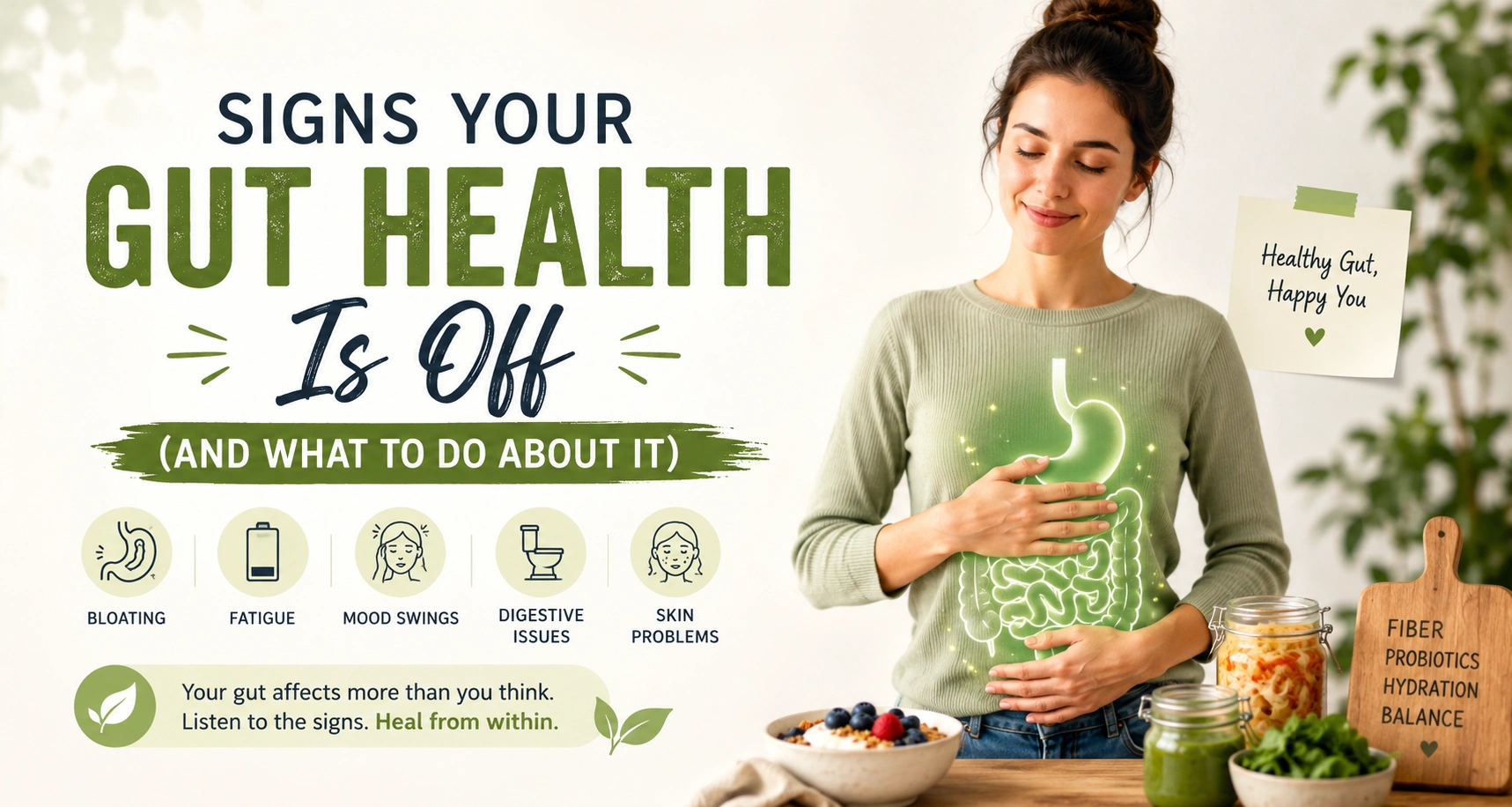
You’ve been tired for months. Your skin continues to break out, even though nothing in your skincare routine has changed. You feel anxious more than usual, and your digestion is unpredictable. You’ve mentioned it to your doctor, but each symptom gets treated separately, and nothing quite adds up.
What if they’re all connected — and the connection is your gut?
Research published in PMC (2025) indicates that your gut microbiome comprises about 100 trillion microbes. It’s a community of bacteria, fungi and other organisms, and these organisms do more than just break down food. It controls around 70% of your immune function, any changes in its shape and composition will impact on your body’s serotonin production (which accounts for approximately 95% of your body’s serotonin) and communicates constantly with your brain via the gut-brain axis — a bidirectional signalling pathway that is yet not fully understood by scientists. If something messes with that ecosystem, the ramifications cascade outwards, and most people don’t trace back to their gut.
| 100T
Microbes in the human gut (PMC, 2025) |
70%
Of immune function housed in the gut (NIH) |
95%
Of serotonin produced in the gut |
What Does “Gut Health” Actually Mean?
The gut microbiome explained simply
Your gut microbiome is the collective community of microorganisms living in your digestive tract — primarily your large intestine. A healthy microbiome is diverse, balanced, and dominated by beneficial bacteria like Lactobacillus and Bifidobacterium strains. These bacteria break down food, produce vitamins, protect the gut lining, and regulate immune and hormonal signals throughout the body.
When that balance is disrupted — by diet, stress, medication, illness, or lack of sleep — the microbiome loses diversity and harmful bacteria gain ground. Scientists call this state dysbiosis.
What “dysbiosis” means and why it matters
Dysbiosis is simply an imbalance of gut bacteria. It is not a diagnosis in itself, but it is the underlying mechanism behind many of the symptoms that follow. When dysbiosis occurs, the gut wall can become more permeable — sometimes called ‘leaky gut’ or intestinal permeability — allowing bacterial fragments and inflammatory molecules to enter the bloodstream and trigger reactions in organs far from the digestive tract. That is why poor gut health can show up as skin problems, fatigue, or anxiety rather than, or in addition to, digestive discomfort.
8 Signs Your Gut Health Is Off
|
1. Persistent bloating Why this happens: Frequent or severe bloating after meals can be a sign that something in your digestive process is off. In many cases, gut bacteria may be fermenting food too much or in the wrong place, either because the bacteria are out of balance or because food is moving too slowly through the digestive tract. Occasional bloating is normal, but it becomes more concerning when it happens most days or does not improve even after passing gas. What to do: A 2-week low-FODMAP trial can help identify whether fermentable carbohydrates are driving the bloating. Eating slowly, chewing thoroughly, and reducing carbonated drinks often bring quick relief. If bloating persists, ask your doctor about testing for SIBO or food intolerances. |
|
2. Irregular bowel movements Why this happens: Less than three bowel movements per week signals poor gut motility, often associated with dysbiosis. Loose or urgent stools more than three times per day can indicate gut inflammation or an overactive immune response. Beneficial bacteria produce short-chain fatty acids that fuel colon cells and regulate how quickly food moves through. What to do: Increase dietary fibre gradually toward 25–38g per day (USDA recommendation). Hydration is equally important — dehydration is one of the most overlooked causes of constipation. If irregularity alternates between constipation and diarrhoea, speak to a doctor as this pattern can indicate IBS. |
|
3. Chronic fatigue Why this happens: Gut bacteria are essential for absorbing B vitamins, iron, magnesium, and zinc — all of which the body uses to produce energy. When the microbiome is disrupted, nutrient absorption declines and systemic inflammation increases. Both directly reduce energy at a cellular level, even when blood tests come back normal. What to do: Focus on iron-rich and B12-rich foods alongside gut-supporting fibre. Fermented foods like kefir, kimchi, and plain yogurt can help restore beneficial bacteria populations. If fatigue is severe or persistent, request a full panel blood test including inflammation markers. |
|
4. Mood changes and anxiety Why this happens: Your gut and brain are closely connected through what’s known as the gut-brain axis—a two-way communication network that allows each to influence the other. While serotonin is best known for its role in mood, most of it is produced in the gut. An unhealthy balance of gut bacteria can interfere with this complex system, affecting the way your body regulates mood, stress, and emotional well-being. Research published in PMC (2025) suggests that disruptions to the gut microbiome, known as dysbiosis, may contribute to symptoms of anxiety and other mood-related changes, although scientists are still working to fully understand this relationship. What to do: Stress management is directly relevant here — cortisol disrupts the gut lining and suppresses beneficial bacteria, creating a feedback loop. Regular exercise, consistent sleep, and mindfulness practices improve both the gut microbiome and mood outcomes. Probiotic strains Lactobacillus rhamnosus and Bifidobacterium longum have shown early positive results in anxiety reduction. |
|
5. Skin breakouts or eczema Why this happens: The gut-skin axis describes the direct relationship between gut microbiome health and skin condition. When the gut wall becomes more permeable, inflammatory molecules enter the bloodstream and trigger immune responses that manifest as acne, eczema, psoriasis, or rosacea — particularly when these skin conditions don’t respond well to topical treatments. What to do: Reduce ultra-processed foods and added sugar, which directly disrupt the gut lining. Introduce prebiotic foods — garlic, leeks, onions, asparagus — to feed beneficial bacteria that help maintain the gut barrier. If skin symptoms are severe, see a dermatologist who can assess whether gut testing is appropriate. |
|
6. Brain fog Why this happens: Brain fog — difficulty concentrating, slow thinking, poor short-term memory — can result from poor gut health through two mechanisms: systemic inflammation crossing the blood-brain barrier and impairing cognitive function directly, and the deterioration of neurochemical signalling quality between the gut and brain when the gut-brain axis is compromised. What to do: Omega-3 fatty acids support both the gut lining and cognitive function. Reducing ultra-processed foods tends to improve brain fog within two to four weeks of consistent dietary change. Track energy and mental clarity in a simple journal to identify whether dietary changes correlate with cognitive improvement. |
|
7. Getting sick frequently Why this happens: A large portion of your immune system is located in the gut, where beneficial bacteria help train immune cells to recognize the difference between harmful germs and harmless substances. When your gut microbiome loses its balance or diversity, this process can become less effective, making it harder for your body to respond to infections. As a result, you may find yourself getting sick more often or taking longer than usual to recover from common illnesses. What to do: Eating 30 different plant-based foods per week — a target supported by the ZOE Microbiome Health Ranking 2025 research published in Nature — has been shown to support measurable improvements in microbiome diversity and immune resilience. Small portions of different herbs, nuts, seeds, and legumes all count toward the 30. |
|
8. Unexplained weight changes Why this happens: Some people feel hungry even after eating, while others experience unexpected weight changes without any change in diet or exercise. Gut bacteria also influence how efficiently the body extracts calories from food. What to do: Reducing ultra-processed foods and added sugars tends to rebalance the microbiome and, over time, improve appetite regulation. Consistent mealtimes support circadian rhythms in gut bacteria, which influence metabolic efficiency — eat at predictable intervals rather than grazing throughout the day. |
The Gut-Brain and Gut-Skin Connections
Most people think of the gut as a digestive organ. In reality, it functions as a second brain — with more neurons lining the digestive tract than the entire spinal cord contains.
How the gut produces 95% of your serotonin
Serotonin is commonly thought of as a brain chemical. But the vast majority of it — roughly 95% — is synthesised in the gut by enterochromaffin cells that respond directly to what’s happening in the microbiome. This is why gut disruptions don’t just cause stomach pain. They influence how you feel emotionally, how well you sleep, and how your body responds to stress.
Psychobiotics — probiotics specifically researched for mood-enhancing properties — are an active area of clinical development in 2025. The science is still emerging, but the gut-mood connection is no longer a fringe idea. It was one of the primary research themes at NeuroGASTRO 2025, where nutrition, prebiotics, and postbiotics were presented as clinically meaningful modulators of gut-brain communication.
The gut-skin axis — how inflammation shows up on your face
Skin conditions that resist topical treatment are increasingly being reconsidered through the gut-skin axis. Imbalances in gut microbiota contribute to systemic inflammation that the body routes outward — skin, particularly the face, is highly vascular and inflammation-prone. Restoring gut diversity consistently reduces inflammatory skin markers in research settings, though individual results vary significantly.
What to Do About It: Practical Steps to Restore Gut Health
Change your diet first
No supplement will meaningfully repair a microbiome built on ultra-processed food. The foundation is dietary diversity. Aim for 25–38g of fibre per day from varied sources — vegetables, legumes, whole grains, nuts, and seeds. Reduce added sugar, which directly feeds pathogenic bacteria and suppresses beneficial strains.
Add fermented foods gradually
Probiotics are foods containing beneficial bacteria, such as plain yoghurt, kefir, kimchi, sauerkraut, miso, tempeh and kombucha, which have been identified in RCTs to boost microbiome diversity within weeks. If this is the first time incorporating kimchi or kefir into your diet, you should begin with small amounts (1-2 tablespoons daily for kimchi or 1/2 cup of kefir daily) and gradually work it up. If a large quantity is added at once, there may be a brief bloating period while the microbiome gets used to the addition.
Manage stress — the cortisol-gut connection
Chronic stress elevates cortisol, which disrupts the gut lining, reduces microbiome diversity, and impairs digestion. This is not abstract — cortisol directly alters gut motility and increases intestinal permeability. Stress management is gut health management. Consistent exercise, adequate sleep, and even short daily mindfulness practices have measurable effects on gut microbiome composition.
Prioritise sleep
The gut microbiome follows a circadian rhythm — beneficial bacteria populations peak and trough in predictable daily cycles. Chronic sleep disruption desynchronises this rhythm and reduces microbial diversity even without any dietary change. Seven to nine hours at consistent times supports gut health more than most people realise.
Consider probiotics — but choose carefully
Not all probiotic supplements are meaningfully effective. Look for products with clinically studied strains (Lactobacillus acidophilus, Bifidobacterium lactis, Lactobacillus rhamnosus GG are among the most researched), at least 10–20 billion CFUs, and refrigerated storage or guaranteed live cultures at expiration rather than manufacture. A gastroenterologist or registered dietitian can advise on whether specific strains are appropriate for your symptoms.
When to See a Doctor About Gut Health
Many gut health issues respond well to dietary and lifestyle changes within four to eight weeks. Some symptoms require prompt medical attention and should not be managed through self-care alone.
|
If you have any of the following symptoms please contact a doctor urgently:
|
These can indicate conditions — including inflammatory bowel disease, coeliac disease, or in rare cases, colorectal cancer — that require clinical diagnosis and treatment. A gastroenterologist can order appropriate tests including stool analysis, colonoscopy, or breath testing for SIBO.
Read More:- Body Fat Without Losing Muscle: A Comprehensive Guide
Frequently Asked Questions
How do I know if my gut health is bad?
The most reliable indicators are persistent digestive symptoms (bloating, constipation, or loose stools happening most days), unexplained fatigue that doesn’t improve with sleep, frequent illness, and skin or mood issues that don’t respond to direct treatment. No single symptom confirms poor gut health — it’s usually a pattern of several overlapping signs.
What are the first signs of an unhealthy gut?
The earliest and most common signs tend to be digestive: persistent bloating after meals, irregular bowel movements, or excessive gas. These often appear before the less obvious downstream effects like fatigue, brain fog, or skin changes. Noticing and acting on digestive symptoms early typically prevents the broader cascade.
How long does it take to restore gut health?
Meaningful improvements in microbiome diversity can occur within two to four weeks of consistent dietary change — particularly when fermented foods are added alongside fibre-rich plant foods. Full restoration from significant dysbiosis typically takes two to six months of sustained effort. Consistency matters more than intensity.
What foods are the worst for gut health?
Ultra-processed foods — products dominated by refined grains, seed oils, artificial sweeteners, and additives — are most consistently associated with microbiome disruption. Added sugar feeds pathogenic bacteria and suppresses beneficial strains. Alcohol in large quantities damages the gut lining directly. Antibiotics, while sometimes medically necessary, kill beneficial bacteria alongside harmful ones and require active microbiome recovery afterward.
Read More:- 7 Morning Habits That Boost Metabolism All Day
The Bottom Line
Your gut is not just a digestive system. It is a regulatory organ that influences your immune function, your mood, your skin, your energy, and your cognitive clarity. When it’s off, the signals can appear anywhere — which is exactly why they’re so easy to miss.
The good news is that the gut microbiome is highly responsive to change. Dietary improvements, stress reduction, consistent sleep, and targeted fermented foods can produce measurable shifts in microbiome composition within weeks. The warning signs above are not diagnoses — but they are reliable prompts to look more carefully at what your gut is trying to tell you.
If symptoms are persistent, overlapping, or getting worse, see a doctor. Self-directed gut health improvement works well for many people. For some, it’s the starting point that leads to a clinical conversation that finally connects the dots.
Medical disclaimer
This article is for informational purposes only and does not substitute for professional medical advice, diagnosis, or treatment. Always consult a qualified healthcare provider regarding any medical concerns.
Sources
PMC 2025 — Microbiome Gut-Brain-Axis review · NIH — immune function in the GI tract · Harvard Health / GoodRx — serotonin production in the gut · Magnitude Biosciences — gut health search trends 2024 · GMInsights — Human Microbiome Market 2025 · Market Growth Reports — gut microbiome research volume · Nature — ZOE Microbiome Health Ranking 2025 · Gut Microbiota for Health — 2025 Year in Review.