

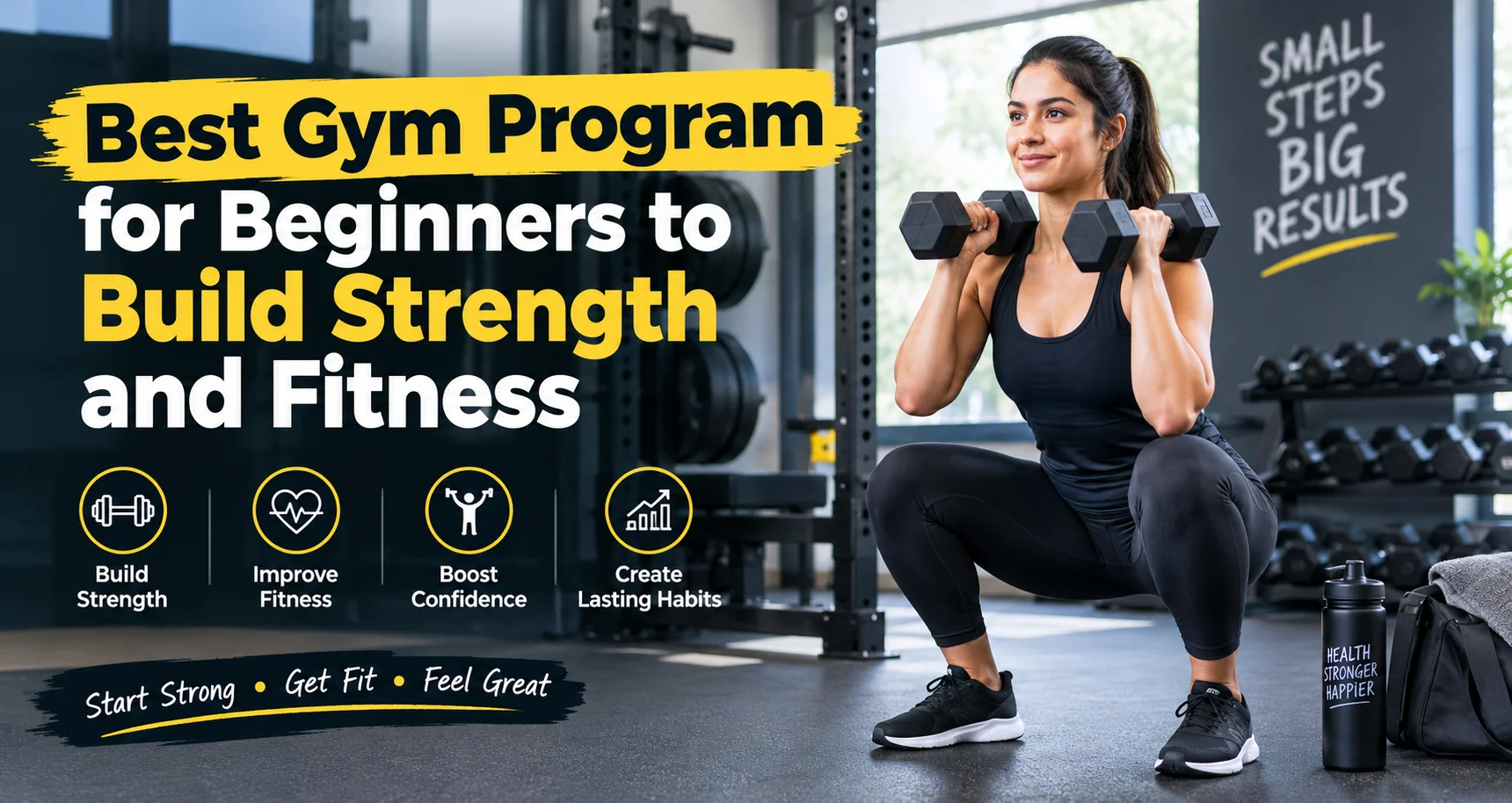
Walking into a gym for the first time can feel like walking into a foreign country. The machines look complicated, everyone else seems to know what they’re doing, and you’re not sure where to start. Sound familiar?
Here’s the good news: you don’t need a complicated routine or a personal trainer to get results. You just need a clear plan, a little patience, and the willingness to show up. In this guide, we’ll break down the best gym program for beginners, explain why it works, and give you everything you need to start training with confidence this week.
If you enjoy practical fitness and lifestyle advice like this, you can find more reads at Magzilla Trends.
Why Beginners Need a Structured Gym Program
Many new lifters jump from machine to machine with no real plan. They might feel busy, but progress stalls quickly. A structured workout plan for beginners solves three common problems:
- No direction: You always know what to do when you walk in.
- No progress tracking: A written plan lets you measure improvement.
- Higher injury risk: Random, heavy workouts push beginners too hard, too soon.
A good beginner gym routine builds a foundation first. Strength, mobility, and habits come before fancy techniques.
What Makes the Best Gym Program for Beginners?
Not every routine suits a newcomer. The best gym program for beginners usually shares these traits:
- Full-body focus: Training every major muscle group a few times a week helps you learn faster.
- Compound exercises: Movements like squats, presses, and rows work several muscles at once.
- Low weekly volume: Three workouts a week leaves plenty of recovery time.
- Progressive overload: You gradually add weight, reps, or sets over time.
- Simplicity: If you can’t remember the plan, you won’t follow it.
3-Day Full-Body Workout Plan for Beginners
This is a beginner workout plan that is made on the basis of 3 training days a week, which are not consecutive (for example: Monday, Wednesday and Friday). Each session lasts about 45-60 minutes, which is sufficient time for warm-up, strength development and recovery.
Workout A (Monday and Friday of week one)
- Goblet squat: 3 sets of 10 reps
- Dumbbell bench press: 3 sets of 10 reps
- Seated cable row: 3 sets of 12 reps
- Dumbbell shoulder press: 2 sets of 10 reps
- Plank: 3 sets of 20 to 30 seconds
Workout B (Wednesday of week one)
- Romanian deadlift (light dumbbells): 3 sets of 10 reps
- Lat pulldown: 3 sets of 10 reps
- Incline push-up: 3 sets of 8 to 12 reps
- Walking lunges: 2 sets of 10 steps per leg
- Dead bug: 3 sets of 8 reps per side
Alternate A and B each session. Week two starts with Workout B, so your body gets balanced training over time.
How Much Weight Should You Lift?
Use a weight that challenges you in the last two reps but maintain good form with it. If you can increase the number of reps by 5 easily, increase the weight next time. When the form collapses, make it lighter.
Warm-Up and Cool-Down: Don’t Skip Them
Warm up prepares muscles and joints for exercise and makes it easier to move. Light exercise for 5-8 minutes (e.g., brisk walk on treadmill and/or gentle ride on bike). Then add some of the dynamic movements such as arm circles, bodyweight squats and hip hinges to warm your body up for the workout.
After your session, stretch for a few minutes and breathe slowly. It won’t magically erase soreness, but it helps you wind down and builds a healthy habit.
How to Progress Week by Week
Progress is what turns a basic gym workout into real results. Try this simple approach:
- Weeks 1 to 2: Learn the movements. Use light weights and focus on form.
- Weeks 3 to 4: Add a little weight or one or two reps to each exercise.
- Weeks 5 to 8: Keep increasing gradually. Add a fourth set to your main lifts if you feel fresh.
- After week 8: Consider a push-pull-legs split or an upper/lower split.
Write down your weights and reps every session. A notebook or a free fitness app works perfectly.
Where Does Cardio Fit In?
Cardio supports heart health, stamina, and recovery. Two or three short sessions of 15 to 20 minutes per week is plenty at the start. Walking on an incline, cycling, or rowing are all beginner-friendly choices. Do them after your lifting sessions or on rest days.
Nutrition and Recovery Basics
You don’t need a perfect diet, but food and sleep matter just as much as training.
- Eat enough protein: Lean meat, eggs, Greek yogurt, beans, and tofu help muscles repair.
- Drink water: Keep a bottle with you during every workout.
- Sleep 7 to 9 hours: This is when your body recovers and grows stronger.
- Don’t chase extremes: Crash diets and heavy supplements are rarely helpful for newcomers.
If you have a medical condition or past injuries, check with a doctor before starting any new exercise program.
Common Beginner Gym Mistakes to Avoid
- Ego lifting: Choosing weights that are too heavy leads to sloppy form and injuries.
- Skipping legs: Strong legs support your whole body, so train them every week.
- Changing programs too often: Stick with one plan for at least 6 to 8 weeks.
- Ignoring rest days: Muscles grow during recovery, not during the workout itself.
- Comparing yourself to others: Everyone starts somewhere. Focus on your own progress.
Gym Etiquette Tips for First-Timers
Small habits make you feel more comfortable and respectful in any gym. Wipe down equipment after use, re-rack your weights, and ask before jumping in on a machine someone is resting on. Most regulars are happy to help if you ask politely.
Frequently Asked Questions (FAQs)
1. How many days a week should a beginner go to the gym?
Three days a week is ideal for most beginners. It gives you enough practice to learn good form while leaving rest days for recovery. You can move to four days once your routine feels easy.
2. What is the best gym program for beginners who want to lose weight?
The same full-body strength routine works well. Add two or three weekly cardio sessions, walk daily, and maintain a modest calorie deficit with plenty of protein. Strength training helps you keep muscle while losing fat.
3. Should beginners use machines or free weights?
Both are useful. Machines are easier to learn and feel safer at first, while dumbbells and barbells build balance and coordination. A mix of the two is the smartest approach.
4. What are the time intervals for seeing benefits after starting out with a beginner gym?
After 2-4 weeks of regular exercise, most people begin to feel greater strength, more energy, and physically active. After 8-12 weeks, the changes in muscle definition, strength and body shape are visible, along with a balanced diet, adequate recovery and quality sleep.
5. Do I need a personal trainer to start?
No, but a session or two can help you learn proper technique. If that’s not an option, watch reputable form tutorials, start light, and ask gym staff for guidance.
Final Thoughts
The best gym program for beginners isn’t flashy. It’s a simple, repeatable plan built on full-body workouts, steady progress, good recovery, and consistency. Start with three days a week, track your lifts, and be patient with yourself. In two months, you’ll look back and be amazed at how far you’ve come.
Pick your first workout day, put it in your calendar, and take that first step. Your future self will thank you. For more health, fitness, and lifestyle ideas, keep exploring Magzilla Trends.