

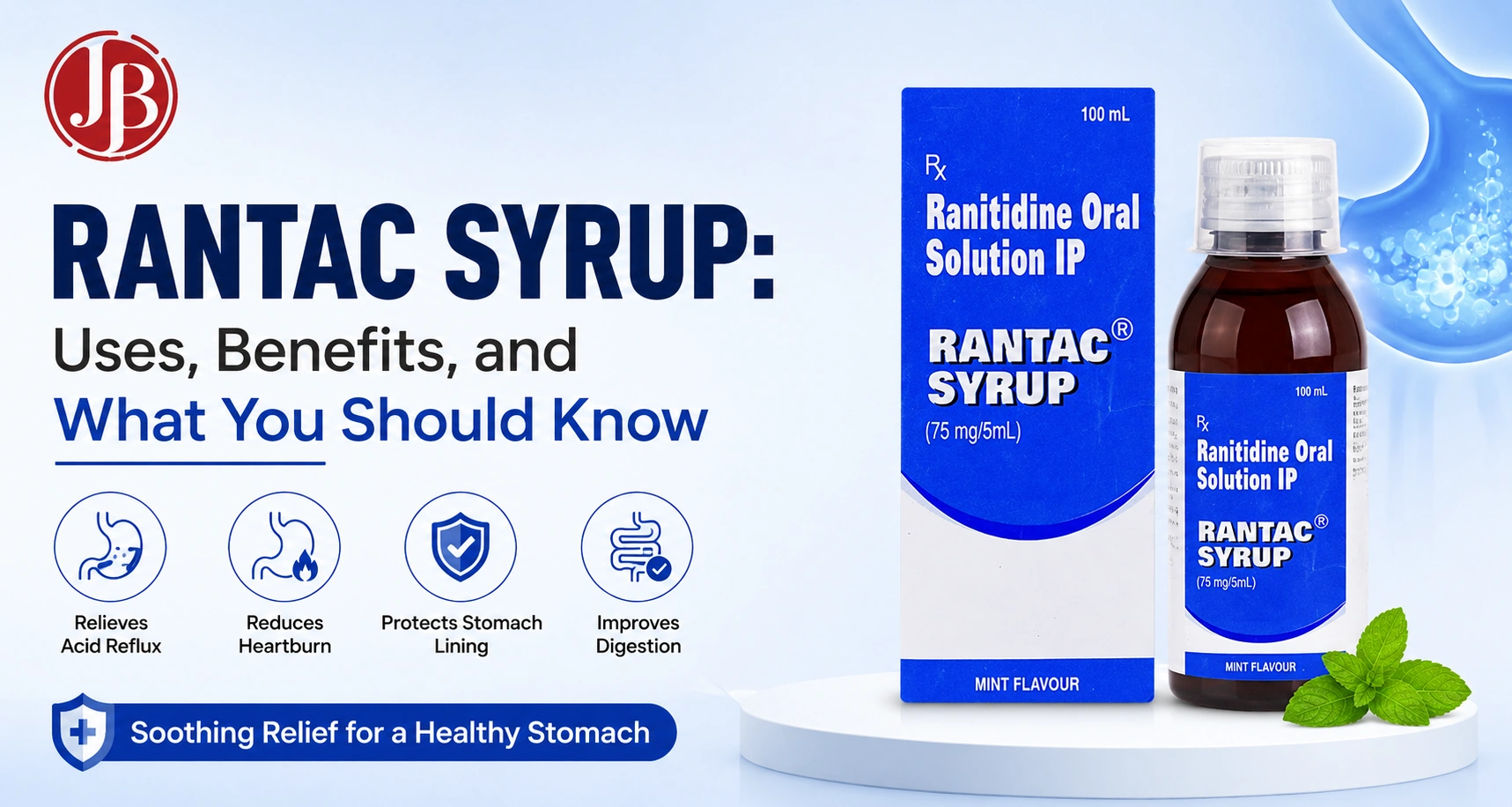
Acidity, heartburn, and indigestion are among the most common health complaints across Indian households — and chances are, you’ve either taken or heard of Rantac syrup at some point. It’s one of the more recognizable names in India’s over-the-counter and prescription gastro-care segment. But what exactly is Rantac syrup, how does it work, and what should you keep in mind before using it? This guide breaks it all down in simple, practical terms.
What Is Rantac Syrup?
Rantac syrup is an oral liquid medication containing ranitidine as its active ingredient, typically formulated at a strength of 75 mg per 5 ml. Ranitidine belongs to a class of medicines known as H2 receptor antagonists (H2 blockers), which work by reducing the amount of acid your stomach produces.
Because it comes in syrup form, Rantac is often prescribed for children and individuals who find it difficult to swallow tablets, though it’s used across age groups depending on the condition and the doctor’s assessment.
How Rantac Syrup Works
Your stomach naturally produces acid to help digest food, but excess acid can lead to irritation, inflammation, and discomfort. Rantac syrup works by:
- Blocking histamine H2 receptors in the stomach lining
- Reducing both baseline and stimulated acid secretion
- Lowering overall acid volume in the stomach
- Allowing irritated or ulcerated tissue in the stomach and esophagus to heal over time
This mechanism makes it useful both for quick symptom relief and for longer-term management of acid-related conditions.
What Is Rantac Syrup Used For?
Rantac syrup is commonly prescribed for a range of acid-related gastrointestinal issues, including:
- Heartburn and acidity caused by excess stomach acid
- Indigestion and dyspepsia
- Gastroesophageal Reflux Disease (GERD), including cases involving reflux esophagitis
- Peptic ulcers, including stomach and duodenal ulcers
- Erosive esophagitis, where the food pipe lining becomes irritated due to acid exposure
- Prevention of acid-related stomach damage in patients on long-term pain relief medication
It’s worth noting that Rantac syrup treats acid-related symptoms specifically — it isn’t intended to treat unrelated issues like diarrhea or general stomach infections, so it’s important to use it for the condition it’s actually meant for.
How to Take Rantac Syrup Safely
Since Rantac syrup is a prescription medication in most formulations, it should always be taken under a doctor’s guidance rather than self-prescribed. A few general points to keep in mind:
- Shake the bottle well before each use
- Measure the dose accurately using the measuring cup provided, rather than a regular spoon
- Take it at the same time each day for consistent results
- It can usually be taken with or without food, but follow your doctor’s specific instructions
- Do not stop or adjust the dosage on your own, even if symptoms improve early
If symptoms don’t improve within a couple of weeks of starting treatment, it’s important to consult your doctor again rather than continuing the same dose indefinitely, as persistent symptoms may point to a different underlying issue.
Possible Side Effects
Like most medications, Rantac syrup can cause side effects in some individuals, though they’re usually mild and temporary. Commonly reported side effects include:
- Headache
- Mild drowsiness or tiredness
- Constipation or diarrhea
- Occasional dizziness
More serious reactions, such as allergic responses, severe stomach pain, or irregular heartbeat, are rare but should be treated as a medical emergency if they occur. If you notice any unusual or persistent symptoms after starting Rantac syrup, stop use and consult a doctor promptly.
Who Should Be Cautious
Certain individuals should talk to their doctor before starting Rantac syrup, including those who:
- Have existing kidney or liver conditions
- Are pregnant or breastfeeding
- Are taking other medications, especially blood thinners or certain antifungal drugs, due to possible interactions
- Have a history of gastric cancer, since its symptoms can overlap with general acidity
Lifestyle Tips to Support Treatment
Medication alone often works better when paired with a few simple lifestyle adjustments. Alongside Rantac syrup, doctors commonly recommend:
- Eating smaller, more frequent meals instead of large ones
- Avoiding spicy, oily, or highly acidic foods
- Cutting back on alcohol, caffeine, and smoking
- Avoiding lying down immediately after eating — waiting at least a couple of hours helps
- Wearing loose-fitting clothing to reduce abdominal pressure
These habits won’t replace medical treatment, but they can meaningfully reduce how often symptoms flare up.
Rantac Syrup Manufacturers in India
Rantac syrup is manufactured by J B Chemicals & Pharmaceuticals Ltd, one of India’s well-established pharmaceutical companies with a long-standing presence in the gastro-care segment. The brand has become widely recognized across Indian pharmacies, largely due to its consistent availability and trusted formulation.
It’s worth noting that ranitidine-based products, including various brands beyond Rantac, are manufactured by multiple pharmaceutical companies in India, since ranitidine itself is a well-established, widely used molecule rather than one exclusive to a single brand. When choosing between ranitidine-based syrups, factors like your doctor’s specific prescription, dosage strength, and flavor formulation (in the case of pediatric syrups) usually guide the final choice more than the manufacturer name alone.
If you’re sourcing Rantac syrup or similar formulations for pharmacy stock or business purposes, it’s advisable to purchase only through licensed distributors and verify batch details, expiry dates, and regulatory approvals before dispensing.
Final Thoughts
Rantac syrup remains one of the more familiar names in India when it comes to managing acidity, heartburn, and related digestive discomfort, largely thanks to its long track record and the trust built by manufacturers like J B Chemicals & Pharmaceuticals Ltd. That said, familiarity shouldn’t replace caution — like any medication containing ranitidine, it works best when taken exactly as prescribed, alongside sensible dietary habits. If your symptoms are frequent, severe, or don’t improve with treatment, the right next step is always a conversation with your doctor rather than continued self-medication.
Frequently Asked Questions (FAQs)
Q.1 What is Rantac syrup used for?
Rantac syrup is used to treat acidity, heartburn, indigestion, acid reflux, GERD, and stomach or duodenal ulcers by reducing excess stomach acid production.
Q.2 What is the active ingredient in Rantac syrup?
The active ingredient in Rantac syrup is ranitidine, typically formulated at a strength of 75 mg per 5 ml, which belongs to the H2 receptor antagonist class of medicines.
Q.3 Who manufactures Rantac syrup?
Rantac syrup is manufactured by J B Chemicals & Pharmaceuticals Ltd, a well-known Indian pharmaceutical company with an established presence in gastro-care products.
Q.4 Can Rantac syrup be given to children?
Yes, Rantac syrup is often used in children under a doctor’s guidance, and formulations like Rantac Infant Syrup are specifically designed for younger age groups.
Q.5 Are there side effects of taking Rantac syrup?
Common side effects include mild headache, drowsiness, constipation, or diarrhea. Serious reactions are rare but should be reported to a doctor immediately if they occur.
Disclaimer: This article is for informational purposes only and is not a substitute for professional medical advice. Always consult a qualified doctor before starting or altering any medication.