

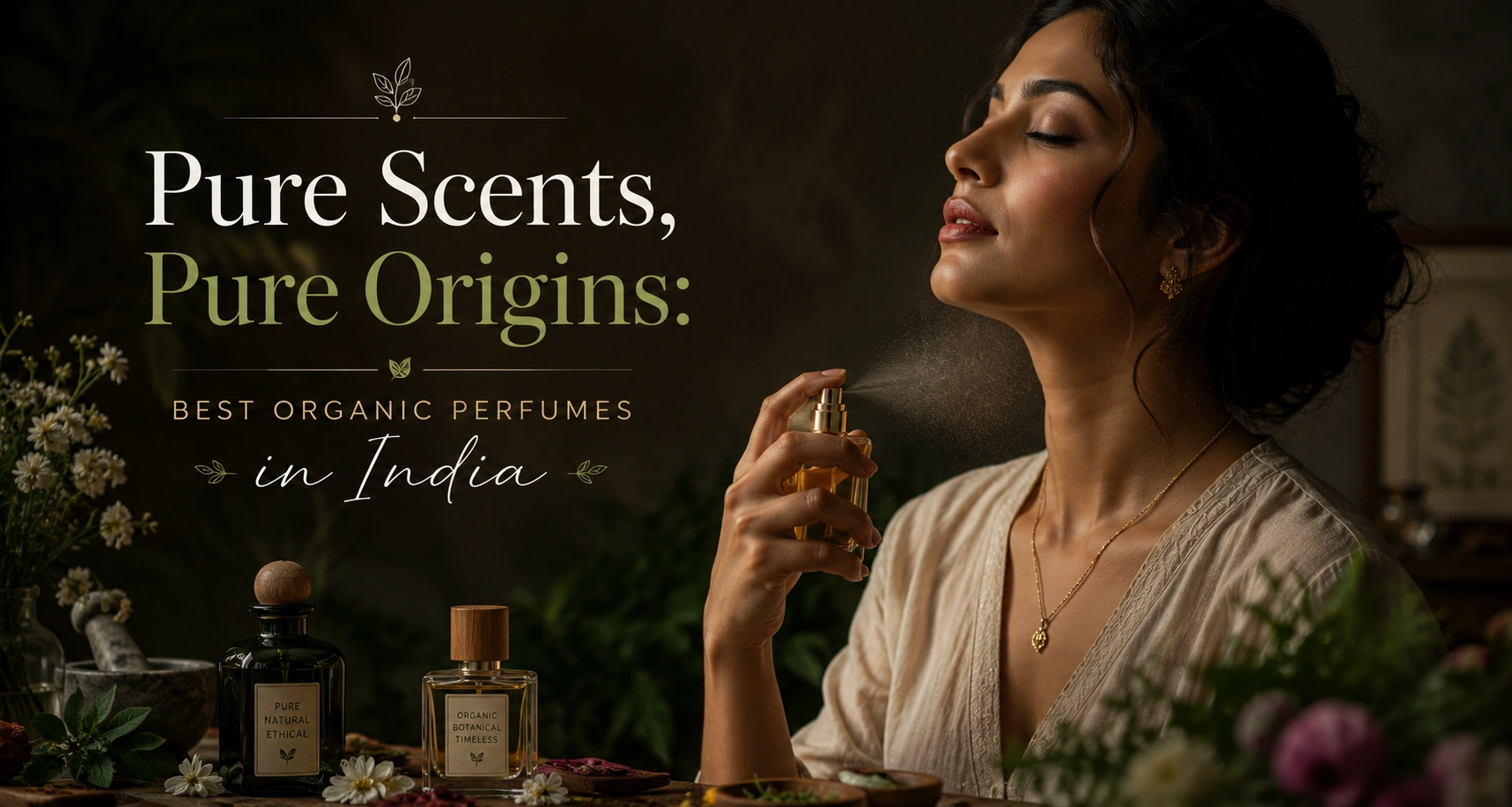
India has one of the world’s oldest and richest perfumery traditions. From the ancient city of Kannauj — known as the “Grasse of the East” — to modern clean-beauty brands blending Ayurvedic wisdom with contemporary sensibility, the country is home to some of the most extraordinary organic perfumes available anywhere. Whether you’re looking for a chemical-free daily scent, a gifting option, or a luxurious oud-based attar, this guide covers everything you need to know about the best organic perfumes in India today.
Why Choose Organic Perfumes?
Conventional perfumes often contain synthetic musks, phthalates, parabens, and alcohol derived from petrochemicals. For many people, these ingredients trigger headaches, skin reactions, or respiratory sensitivity. Organic perfumes use plant-derived essential oils, steam-distilled botanicals, and natural fixatives — delivering a scent that is complex, skin-safe, and biodegradable.
Beyond personal health, organic perfumes support sustainable agriculture and protect traditional crafts. India’s attar-makers, for example, have used hydro-distillation in copper degs for centuries — a zero-waste process that produces some of the world’s most prized natural scents.
|
Tip: Look for certifications like COSMOS Organic, ECOCERT, or USDA Organic on the label. In India, brands certified by BDIH or those carrying a Government of India GI tag (like Kannauj attar) offer an added layer of authenticity. |
Top Picks: Best Organic Perfumes in India
The following brands and products represent the best of India’s organic fragrance landscape — spanning ancient attars, modern clean-beauty EdPs, and everything in between.
|
Attar · Kannauj Ajmal — Mukhallat Al Warda A heritage house with roots in Kannauj, Ajmal crafts multi-layered attars using steam-distilled rose, oud, and sandalwood. This blend is long-lasting and entirely alcohol-free. Notes: Rose, Oud, Sandalwood |
|
Clean EdP · Ayurvedic Forest Essentials — Luxury Eau de Parfum Forest Essentials bridges Ayurveda and haute perfumery. Their EdP range uses cold-pressed and steam-distilled ingredients sourced from Himalayan farms, with no synthetic additives. Notes: Honey, Vetiver, Jasmine |
|
Botanical · Vegan Naso Profumi — Aranya An Indian indie brand committed to 100% natural ingredients. Aranya captures deep forest notes with oakmoss, patchouli, and vetiver sourced entirely from Indian farms. Notes: Patchouli, Vetiver, Oakmoss |
|
Attar · GI-TaggedKannauj Attar Co. — Gulab Attar Produced using the deg-bhapka method, this pure Damask rose attar is distilled into sandalwood oil base. Completely synthetic-free and carrying a GI certification for Kannauj origin. Notes: Damask Rose, Sandalwood |
|
Ayurvedic Blend Kama Ayurveda — Divine Fragrance Oil Inspired by classical Ayurvedic formulations, this blend uses pure essential oils in a base of cold-pressed sesame. Skin-safe and ECOCERT-compliant. Notes: Rose, Jasmine, Vetiver |
|
Indie · COSMOS Certified Juicy Chemistry — Bergamot & Cedarwood EdP A Coimbatore-based brand with COSMOS Organic certification. Uses certified organic alcohol and cold-pressed citrus distillates for a clean, fresh opening. Notes: Bergamot, Cedarwood, Lavender |
How to Read an Organic Perfume Label
Not every “natural” perfume is truly organic. Here is what to check before buying:
- COSMOS Organic — International standard certifying that ≥95% of the physically processed agri-ingredients are organic.
- ECOCERT — French certification body widely recognised in India’s clean beauty market; audits sourcing and production.
- GI Tag (Kannauj) — Geographical Indication protects attars made using the traditional deg-bhapka method in Kannauj, UP.
- Cruelty-Free / Vegan — Look for Leaping Bunny or PETA certification, especially relevant for musk and ambergris alternatives.
Organic Perfume Notes Popular in India
India’s botanical biodiversity gives organic perfumers access to an extraordinary palette. The following ingredients appear most frequently in the country’s best organic perfumes:
Sandalwood (Chandan)
Mysore sandalwood is among the world’s finest. Creamy, warm, and long-lasting, it forms the base of most traditional attars and many modern EdPs.
Jasmine (Mogra & Sambac)
India is the world’s largest producer of jasmine absolute. The heady, indolic floral is central to Indian perfumery and is used in attar, EdP, and hair oil formats.
Vetiver (Khus)
Steam-distilled from the roots of Vetiveria zizanioides grown in Rajasthan and Uttar Pradesh, khus oil delivers a smoky, earthy, deeply grounding dry-down that is distinctly Indian in character.
Rose (Gulab)
Kannauj’s famous Gulab attar, made from hundreds of kilograms of petals per litre, remains one of the most precious organic materials in any perfumer’s palette.
Oud (Agarwood)
Sourced responsibly from Northeast India and Assam, oud offers deep resinous warmth. Ethical, certified organic oud commands a premium but is increasingly available from Indian brands.
Buying Guide: Where to Shop
The best organic perfumes in India can be found through the following channels:
- Brand websites — Brand websites
- Forest Essentials, Kama Ayurveda, and Juicy Chemistry all ship directly across India. Buying direct ensures authenticity and often includes ingredient transparency pages.
- Curated marketplaces — Platforms like Vanity Wagon and The Tribe Concepts specialise in clean and organic beauty, with third-party certification filters.
- Kannauj artisan cooperatives — For traditional attars, buying from GI-recognised Kannauj fragrance houses ensures unadulterated, authentic product.
- Premium platforms — Nykaa and Tata Cliq Luxury carry a growing selection of certified organic EdPs from both Indian indie brands and international organic lines.
|
Tip: Organic perfumes tend to have a softer sillage than synthetic ones. Apply on pulse points and to slightly damp skin after moisturising with an unscented oil — this significantly improves longevity. |
Frequently Asked Questions
Q.1 Are organic perfumes safe for sensitive skin?
Generally yes, but essential oils like cinnamon, clove, or citrus can still cause reactions in highly sensitive individuals. Always do a patch test on the inner wrist. Look for perfumes that list all ingredients and avoid those with unlisted “fragrance” catch-all entries.
Q.2 Why are organic perfumes more expensive?
Natural ingredients like rose absolute and genuine oud require enormous quantities of raw material — up to 8,000 rose petals for a single millilitre of rose absolute. Certified organic farming further raises production costs. The price reflects both material rarity and sustainable practice.
Q.3 How long do organic perfumes last on skin?
Organic EdPs typically last 4–6 hours on skin, while oil-based attars can linger for 8–12 hours due to the sandalwood or jojoba base absorbing slowly. Reapplication is often necessary mid-day for EdPs.
Q.4 Is Indian attar the same as organic perfume?
Traditional attar is inherently chemical-free, as the deg-bhapka distillation process uses only steam and botanical material. However, not all commercially sold attars use this process. Certified GI-tagged Kannauj attars are the safest guarantee of authenticity.
What is the best organic perfume for daily wear in India’s climate?
For India’s warm, humid climate, lighter organic notes work best in summer: vetiver, citrus, or green florals like mogra. In winter, oud-based attars and sandalwood EdPs perform beautifully. Look for EdPs with at least 15% concentration for better hot-weather longevity.
Final ThoughtsBest Organic Perfumes in India landscape is one of the most exciting in the world — rooted in millennia of botanical knowledge and continually refreshed by a new generation of clean-beauty founders. Whether you begin with a classic Gulab attar from Kannauj or a COSMOS-certified EdP from a Bangalore indie brand, you’re choosing fragrance that is better for your skin, your senses, and the planet. |