






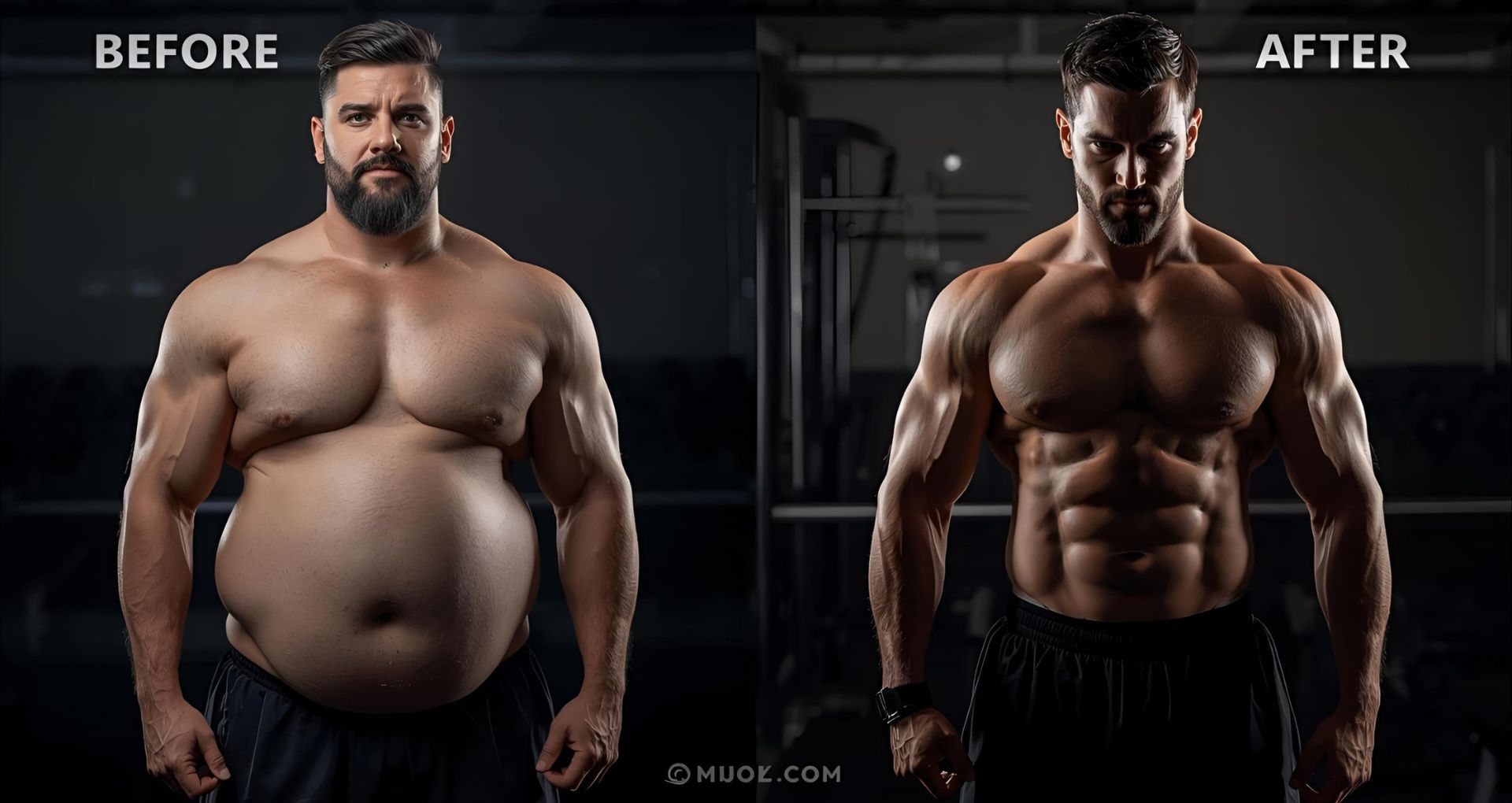
Many people want to achieve a lean physique, and this goal is usually accompanied by the problem of the loss of muscular mass when one tries to lose body fat. The most popular myth is that the only way to lose weight is by fasting, which may indirectly cause the loss of muscle. Nonetheless, one may lose body fat mass without losing or gaining muscle. This guide will discuss proper strategies, diet tips, and exercise ideas that should be used to lose body fat and still be able to build muscle.
Learning About Body Composition
It is important to have knowledge of the body composition before going into the strategies on how to lose fat and, at the same time, build muscle. Keeping track of these components will assist you in concentrating on your objective, which is to decrease fat without losing essential muscle.
Body Fat Percentage: This is the rate of body weight that is fat. In order to have optimal health, the percentages of fat in the body are usually subject to change depending on age and sex, among other factors, although it is generally suggested to strive to achieve healthy levels.
Lean Mass: This consists of all the non-fat parts of your body. Sustaining or gaining lean mass is vital in the process of losing body fat because the muscles assist in stimulating your metabolism and general well-being.
The Importance of Nutrition
The kitchen is where the struggle of body make-up actually starts. The proper diet can make you slim down without losing body mass. The following are some of the key tips that should be followed when it comes to diet:
Prioritise Protein Intake
Protein is your greatest friend in building muscle and losing fat. Eat adequate protein to assist in muscle repair and growth with the goal of 1.6 to 2.2 grams of protein per kilogram of body weight. Add the following high-protein foods: lean meat, fish, dairy, legumes, and plant-based foods.
Add Healthy Fats and Carbohydrates
The fats and carbohydrates are very important in your diet, contrary to what many people think. Healthy fats, e.g. avocados, nuts and olive oil, aid hormonal balance and general well-being. Carbohydrates give energy in exercise, particularly when performing weight training.
Stay Hydrated
Hydration is important towards good performance and recovery. Water assists the functioning of the muscles and the absorption of nutrients. Focus on a minimum of 2-3 litres of water intake on a daily basis, modifying the amount according to the level of activity and climate.
Effective Workout Strategies
Exercise plays a very important role in making your body fit and, at the same time, maintaining muscles. The following are some of the ways to successfully integrate exercises to achieve maximum outcomes:
Strength Training
Muscle mass is vital in maintaining muscle mass in a caloric deficit, and this is achieved through strength training. Dream to incorporate resistance training in your routine at least 3-4 times in one week. Due to their involvement of several muscle groups, which are more efficient and retain muscle, focus on such compound movements as squats, deadlifts, bench presses, and pull-ups.
Include High-Intensity Interval Training (HIIT)
HIIT exercises have the potential to lose fat without building fat. This is a training technique whereby there are short sessions of intense work with periods of rest in between. HIIT not only assist in calorie burning, but also raises your metabolism following the workouts, making it easier to lose fat.
Don’t Neglect Cardio
Although strength training is the most important, it does not exclude the use of cardiovascular exercise. Choose moderate-intensity cardio workouts, e.g. jogging, swimming or bicycling, 20-30 minutes, 2-3 times a week. Cardio can be used in addition to your routine, which will enhance cardiovascular health and help to lose fat.
Recovery is Key
The value of recovery should never be undermined. The growth of the muscles takes place during the rest period; therefore, make sure to sleep a lot and include rest days in the program. Also, the presence of stretching and mobility exercises would be beneficial to avoid injuries and enhance muscle recovery.
Tracking Progress
It is essential to keep checking your progress so as to make sure that you are losing body fat without losing muscle. The following are some of the ways of tracking:
Body Measures: This can be done using measurements on your waist and hips, among other parts of the body, which can give you clues about fat loss.
Body Composition Analysis: It may be useful to determine the muscle-to-fat ratio using skinfold callipers, bioelectrical impedance scale, or DEXA scan.
Photos: Have photos to track bodily changes in body composition.
Performance in the workout: It is important to monitor and track how much stronger you are; as long as you are holding on to your weights or adding weight, then you are probably either retaining or building up muscle.
Mindset Matters
Finally, having a positive attitude is an important component in body composition goals. Put the process in perspective and make realistic and attainable objectives. Realise that changes in body composition are a long process; consistency is better than perfection.
Conclusion
It is possible and even practicable to lose body fat and at the same time maintain muscle without necessarily depleting the body of fat. With a moderate caloric deficit, protein consumption, strength training, and tracking your progress, you will be able to change your body composition successfully. Also, it helps to invest in quality products to help you on your way. The tools and solutions of such brands as Magzilla Trends will keep you on track in your fitness and health ambitions, and a path to Body Fat Without Losing Muscle is not out of this world anymore. You have to own the process, have faith in your work and rejoice in every single step towards a healthier you!